Every brewing method extracts coffee differently, and the results are genuinely distinct. This isn’t audiophile-level obsession over marginal differences — a well-made French press and a well-made pour-over from identical beans taste meaningfully different. Knowing what each method produces helps you find the one that fits your taste and routine.
Drip Coffee (Automatic)
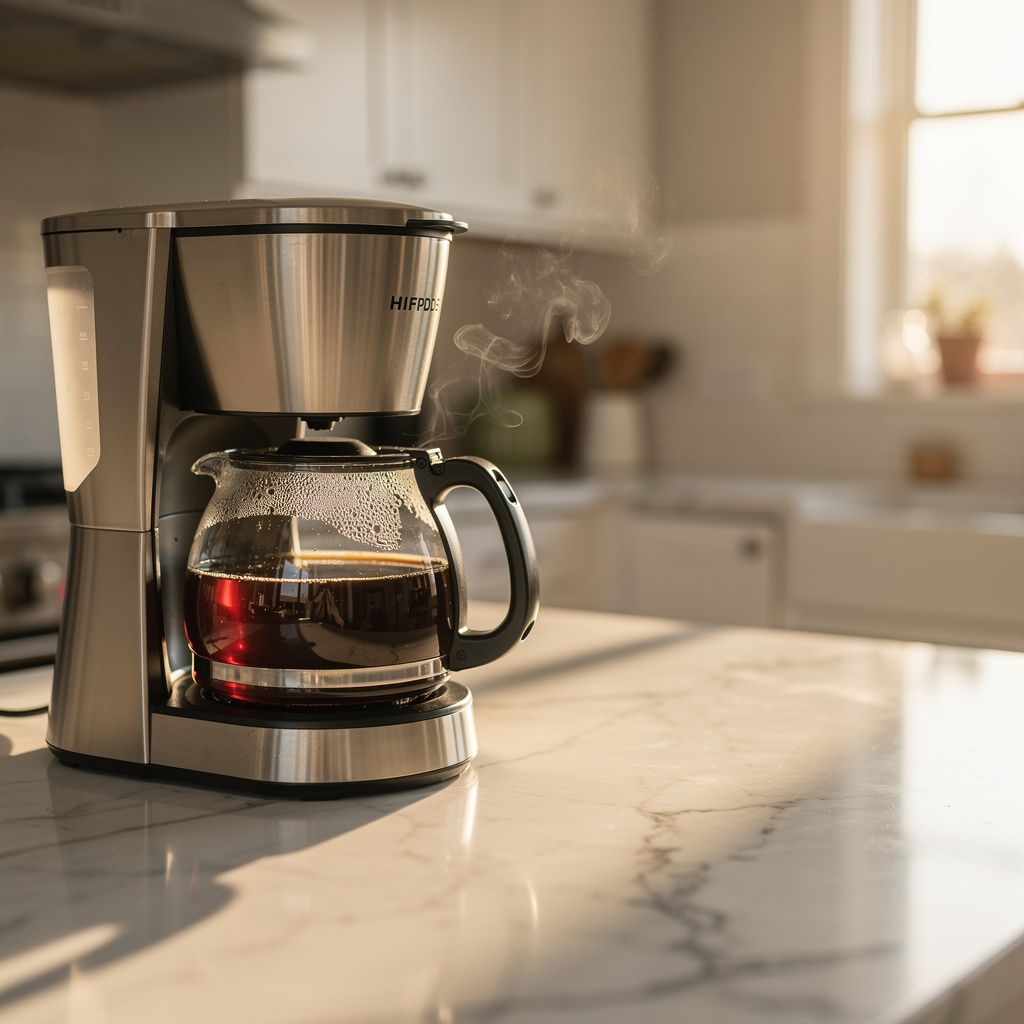
What it is: Hot water drips through ground coffee in a paper filter into a carafe. Nearly every home coffee maker sold is a drip machine.
What you get: A clean, consistent, approachable cup. Medium body, clear flavor, no sediment. The convenience is unmatched — add water, add grounds, press a button, come back when it’s done.
Extraction quality: Varies widely by machine. Cheap drip machines ($20–$60) brew at 185–190°F, below the optimal 195–205°F extraction range. They produce flat, under-extracted coffee. Quality machines with thermal carafes and proper bloom cycles (SCAA-certified models like the Technivorm Moccamaster or Breville Precision Brewer) extract at proper temperature and produce excellent results.
The key variable: Water temperature. This is the single biggest differentiator between an OK drip machine and a great one.
Grind: Medium grind. Use a burr grinder for consistent extraction.
Best for: Anyone who makes coffee daily, serves multiple people, values convenience, or doesn’t want to think about technique. The Breville Precision Brewer ($180) makes exceptional drip coffee with zero attention required.
Time commitment: 5 minutes to set up, 0 minutes of active involvement.
Pour-Over
What it is: You pour hot water manually over grounds in a filter, controlling flow rate and pour pattern.
What you get: A remarkably clean, bright, and nuanced cup. The manual control over water flow and temperature lets you highlight the subtle flavors in quality beans. Widely considered the best method for showcasing single-origin specialty coffee.
The learning curve: Real but not steep. Getting a consistently good pour-over takes 5–10 sessions to learn proper technique — even pours, a 30-second bloom, controlled flow rate. After that, it becomes meditative and consistent.
Equipment options:
- Hario V60: The benchmark pour-over dripper. Produces a lighter, brighter cup. The paper filters are easy to source.
- Chemex: Uses thicker filters that remove more oils — produces an exceptionally clean cup. Also doubles as a beautiful serving vessel.
- Kalita Wave: More forgiving design, consistent results even with imperfect technique. Good starting point.
Grind: Medium-coarse for V60, coarse for Chemex. A burr grinder is not optional here — uneven grind ruins pour-overs.
Best for: Coffee enthusiasts who enjoy the ritual of brewing, who use quality single-origin beans, and who want to taste what’s in the coffee.
Time commitment: 4–6 minutes of active attention.
French Press
What it is: Coarsely ground coffee steeps in hot water for 4 minutes, then a metal plunger presses the grounds to the bottom.
What you get: Full-bodied, rich, sometimes slightly gritty coffee. The metal filter lets oils and fine particles through, giving the cup more texture and a heavier mouthfeel than filtered methods. Bold without bitterness when done correctly.
Common mistakes: Two mistakes ruin French press coffee:
- Grind too fine — produces bitter, muddy coffee with silt
- Steep too long — over-extraction makes it bitter
Use coarse grind, steep exactly 4 minutes, plunge slowly, and pour immediately. Don’t let it sit in the press after plunging — it keeps extracting.
Grind: Coarse. Very coarse — like rough sea salt.
Best for: People who love a rich, full-bodied cup, don’t mind slight sediment, and want a no-electricity option. Also excellent for camping. French presses cost $30–$80 (the Bodum Chambord is the standard recommendation) and last indefinitely.
Time commitment: 5 minutes, most of it passive.
Espresso
What it is: 9 bars of pressure force hot water through finely ground, tightly packed coffee in 25–30 seconds, producing a concentrated 1–2 oz shot with crema.
What you get: Intensely concentrated coffee — the base for lattes, cappuccinos, Americanos, and macchiatos. When pulled correctly, espresso has complex flavor that regular brewed coffee can’t match. When pulled poorly, it’s bitter and harsh.
The investment reality: Entry-level semi-automatic machines that produce genuinely good espresso start around $400–$600 (Breville Barista Express, De’Longhi Dedica). The machines marketed as “espresso makers” at $80–$150 produce something coffee-adjacent — they lack the pump pressure and temperature stability needed for real espresso.
The skill requirement: High. Good espresso requires:
- Consistent, precise grinding (burr grinder essential, preferably espresso-specific)
- Correct tamping pressure
- Dialing in grind for each new bag of beans
- Milk frothing technique (for milk drinks)
Grind: Very fine — finer than any other method.
Best for: Coffee enthusiasts who primarily drink milk-based espresso drinks (lattes, cappuccinos) and are willing to learn the skill. Not the right first step for casual coffee drinkers.
Time commitment: 5–10 minutes per drink until you’ve dialed in your technique; 3–4 minutes once experienced.
AeroPress
What it is: A hand-powered plastic cylinder that uses air pressure and immersion to brew a concentrated shot of coffee in under 2 minutes.
What you get: A smooth, low-acid, concentrated cup that can be diluted to taste. The short contact time and pressure reduce bitterness. Enormously versatile — you can produce coffee similar to espresso concentrate, pour-over-style brews, or cold brew concentrate by adjusting variables.
Why it’s underrated: The AeroPress costs $35, weighs 6 oz, is indestructible, and requires no electricity. Coffee professionals have been winning AeroPress world championships by experimenting with variables most machines won’t allow. The paper filters are replaceable, or you can use the included metal filter for a fuller-bodied result.
Best for: Anyone who travels frequently, wants a single-serving method, values versatility over ritual, or wants to experiment. Also excellent as a secondary method for espresso fans who want a quick cup without firing up the machine.
Time commitment: 1–2 minutes.
Cold Brew
What it is: Coarsely ground coffee steeped in cold or room-temperature water for 12–24 hours, then filtered.
What you get: Smooth, low-acid, naturally sweet-tasting coffee concentrate that you dilute to serve over ice (or heated). The lack of heat dramatically reduces the extraction of acidic and bitter compounds, producing a sweeter flavor profile even from beans that taste harsh brewed hot.
The tradeoff: Patience. Cold brew requires 12–24 hours of steeping before you can drink it. It’s not a morning cup solution — it’s a batch-prep method. Make a large batch on Sunday and drink it all week (keeps 2 weeks refrigerated).
Equipment: You don’t need special equipment — a mason jar and a fine-mesh strainer works. Dedicated cold brew makers (Toddy, OXO Cold Brew Maker) make filtering easier and produce cleaner results, but they’re not necessary.
Best for: People who dislike coffee’s acidity, drink iced coffee daily, and don’t mind planning ahead. Cold brew concentrate from a concentrate is significantly cheaper than buying bottled cold brew.
Time commitment: 10 minutes to prepare, 12–24 hours to brew, 10 minutes to filter.
Which Method for Which Coffee Lover
| You are… | Best Method |
|---|---|
| Need coffee before you’re awake | Drip (set it the night before) |
| Want the best possible single cup | Pour-over |
| Love bold, heavy coffee | French press |
| Primarily drink lattes/cappuccinos | Espresso (expect the learning curve) |
| Travel frequently | AeroPress |
| Drink iced coffee daily | Cold brew |
| Experimenter and tinkerer | AeroPress (infinite variables to play with) |
| New to coffee and exploring | Drip first, then try pour-over |
The One Rule That Applies to All Methods
No brewing method can save bad coffee. Fresh beans, proper grind size (matched to your method), and clean equipment matter more than which device you use. Buy whole beans roasted within 2–4 weeks, grind just before brewing, and clean your equipment regularly. A $35 AeroPress with fresh beans and a good grinder will consistently outperform a $500 machine with stale pre-ground coffee.